Soy-based Ink
Soy-based inks produce brighter, more vibrant colors using less ink than petroleum-based inks, making them a more cost-effective ink solution. Soy inks can also be removed more easily for recycling. Not applicable to all products.
We expand its sustainable product line with the EcoInspire™ Recycled Seal:
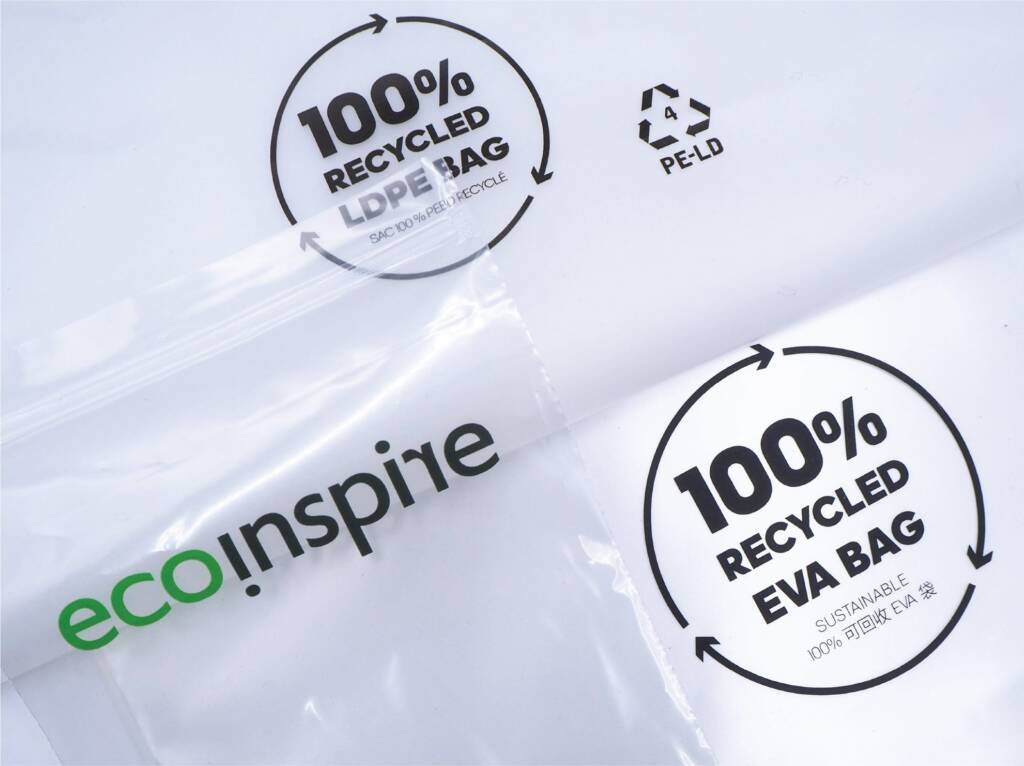
Presenting an eco-friendly approach to packaging:
Reflecting an eco-conscious approach:
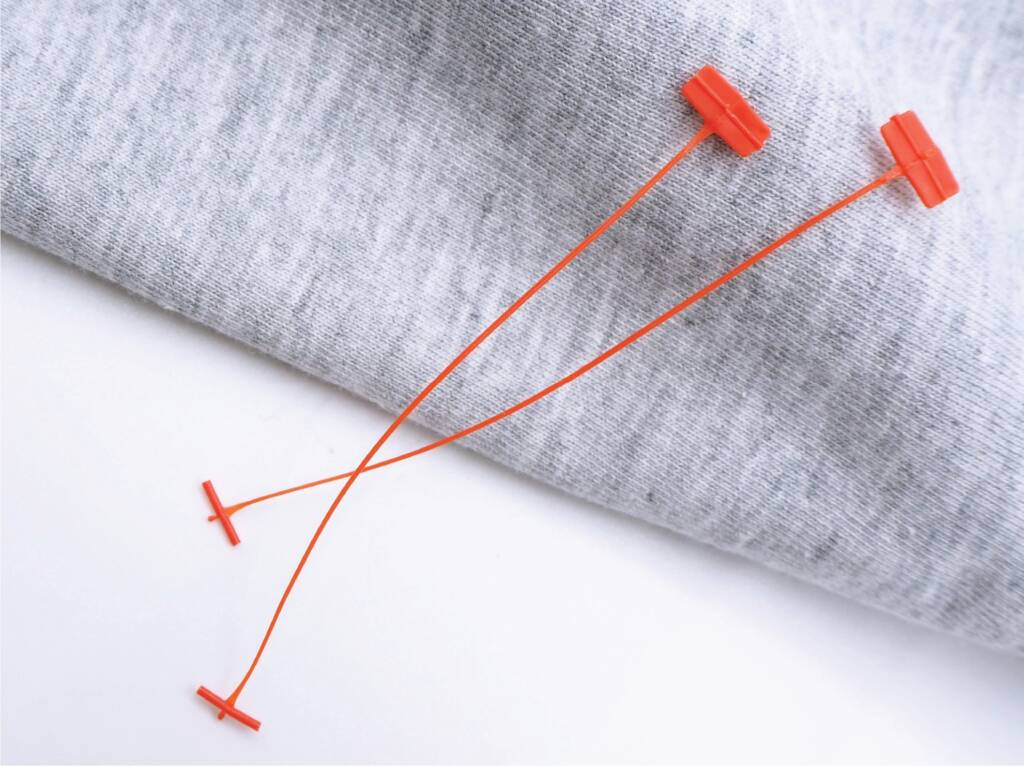
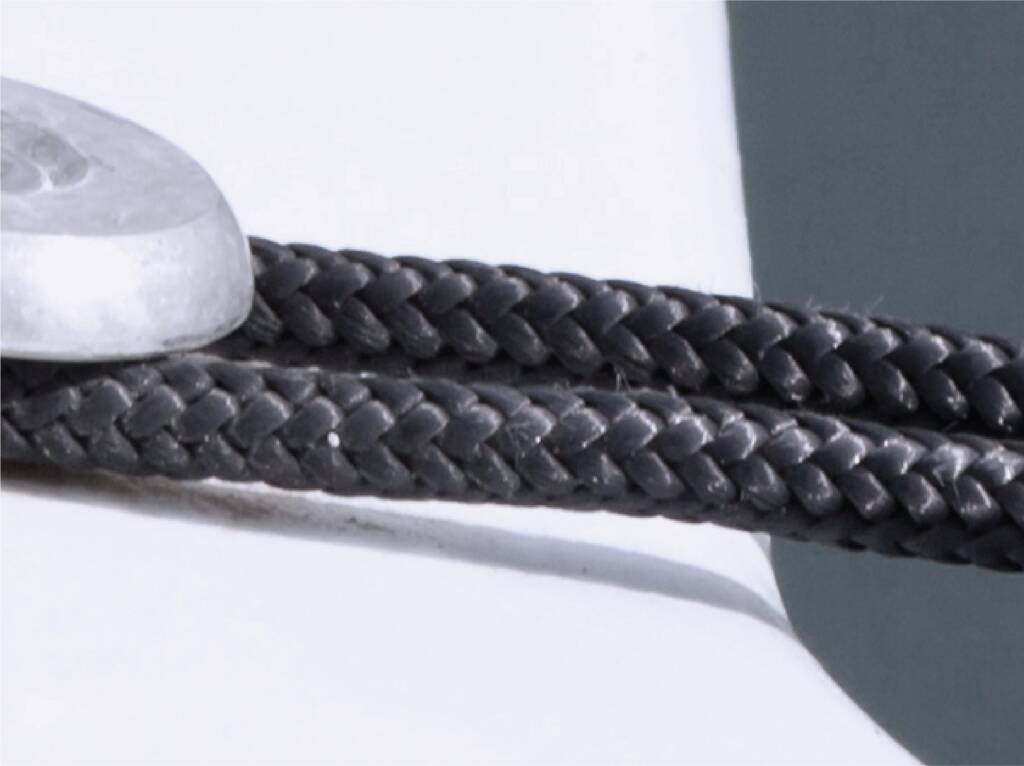
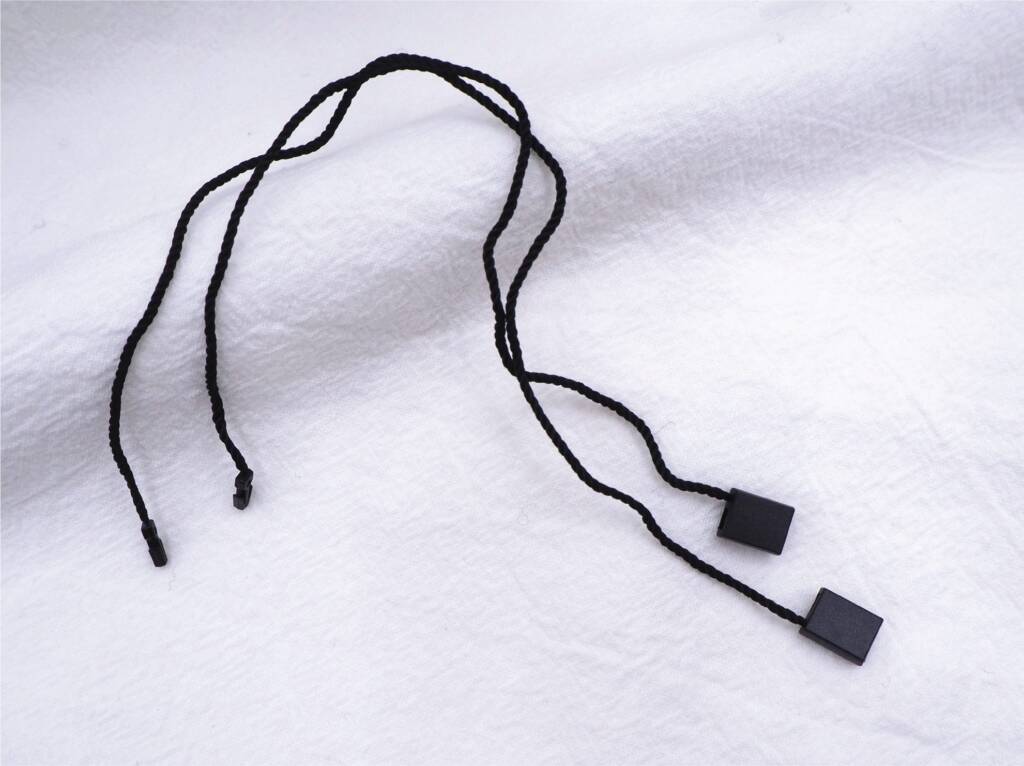
Expertly made from recycled polyester yarn, weaving sustainability into its core
Blend sustainability with smart branding, boosting both environmental stewardship and profitability for innovative retailers and brands.
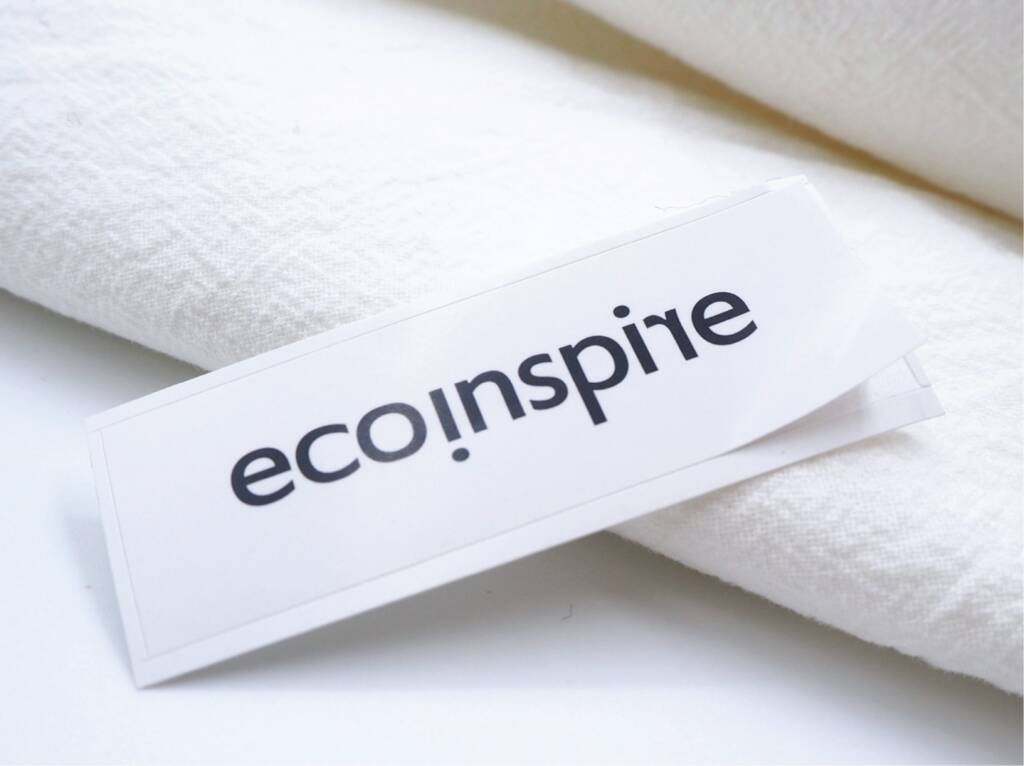
We continue to develop new types of sustainable packaging that meet both the aesthetic needs of your brand and your waste reduction and recycling objectives.
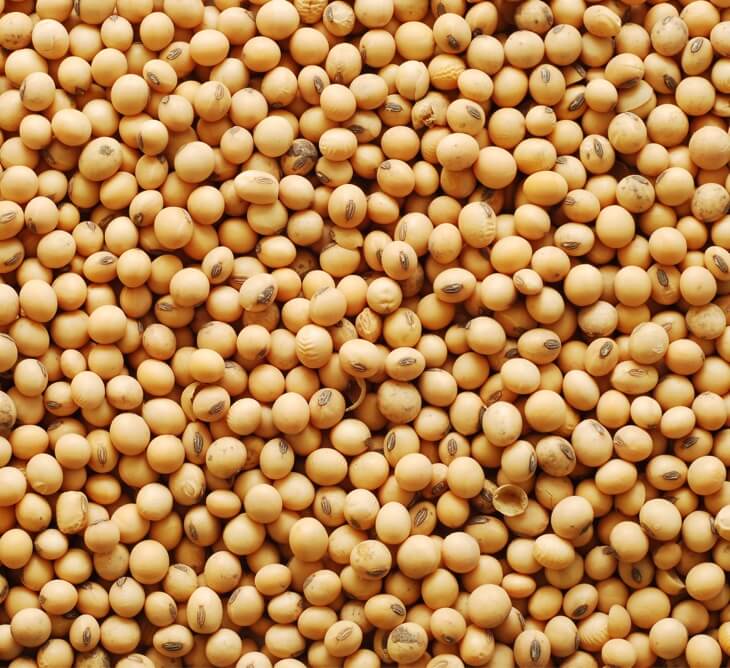
Soy-based inks produce brighter, more vibrant colors using less ink than petroleum-based inks, making them a more cost-effective ink solution. Soy inks can also be removed more easily for recycling. Not applicable to all products.
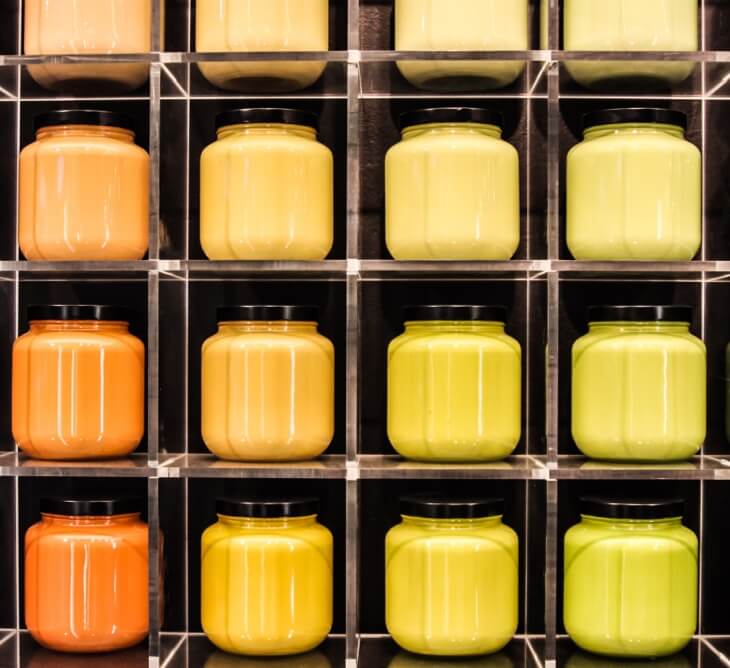
Water-based inks do not contain PVC or phthalates and do not require solvents for cleaning equipment. They contain fewer oil-based chemicals and are less harmful, making them safe for use with underwear, swimwear, and baby clothes. Not applicable to all products.

Bamboo is hypoallergenic, absorbent, fast-drying, and naturally anti-bacterial. It is extremely durable and soft as silk, and it grows quickly — producing 10 times the yield of cotton with less use of water, pesticides, and fertilizers. Not applicable to all products.
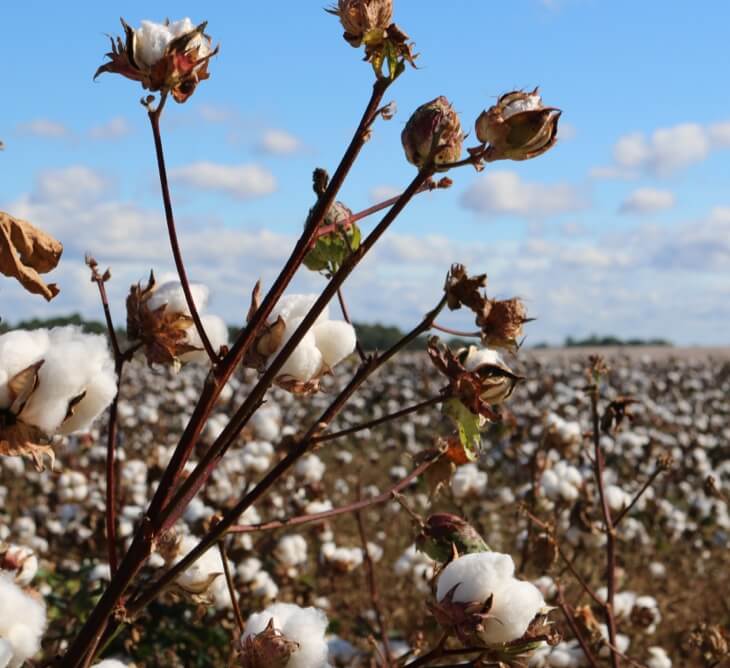
Organic cotton is softer, more breathable, and higher quality than non-organic cotton. It is grown free of genetically modified organisms (GMO) and without the use of chlorine bleach, synthetic dyes, or any synthetic agricultural chemicals. Not applicable to all products.

Recycled polyester offers excellent quality for less energy than virgin polyester. The recycled material preserves the virgin oil needed to manufacture new fibers, and the applications are unlimited. Not applicable to all products.
Sustainable packaging involves materials and processes that have minimal environmental impact. This includes using renewable resources, ensuring easy recyclability, reducing production emissions, and focusing on lifecycle sustainability. SML has several sustainable packaging options for various applications. Talk to our EcoInspire™ Sustainable Packaging Experts today: https://www.sml.com/contact-us/.
The most sustainable plastic packaging is often bioplastics made from renewable resources like cornstarch or sugarcane. These materials are compostable and have a lower carbon footprint than conventional plastics.
Small businesses can opt for recycled paper, compostable plastics, plant-based packing peanuts, and cardboard. Eco-friendly labels and inks can also be used to enhance packaging sustainability.
Several companies specialize in sustainable packaging solutions. Look for those with certifications in environmental stewardship and a proven track record of using eco-friendly materials and processes. SML has been powering brand transformation for more than 35 years. Our EcoInspire™ Sustainable Packaging line is an excellent place to start. Talk to our sustainable packaging experts today: https://www.sml.com/contact-us/.
A packaging material is sustainable if it’s sourced from renewable resources, has a low environmental impact during production, is recyclable or compostable, and reduces waste through its lifecycle.
Consider the material’s source, recyclability, compostability, production emissions, and the overall lifecycle impact. Also, evaluate how the packaging aligns with your product needs and brand values.
Challenges include:
• Higher upfront costs
• Finding reliable suppliers
• Managing the transition process
• Educating customers
• Adhering to industry standards
• Compatibility with existing packaging processes can also be a barrier
SML’s EcoInspire™ Sustainable Packaging experts can help you overcome these challenges: https://sml.com
/contact-us/.
Start by assessing your current packaging materials and processes. Research sustainable alternatives, consult with eco-friendly packaging providers, and gradually replace conventional materials with sustainable ones. SML has been partnering with global brands and retailers for over 35 years. Contact our EcoInspire™ Sustainable Packaging experts today and we’ll guide you every step of the way.
Explore our innovative product offerings by category.